
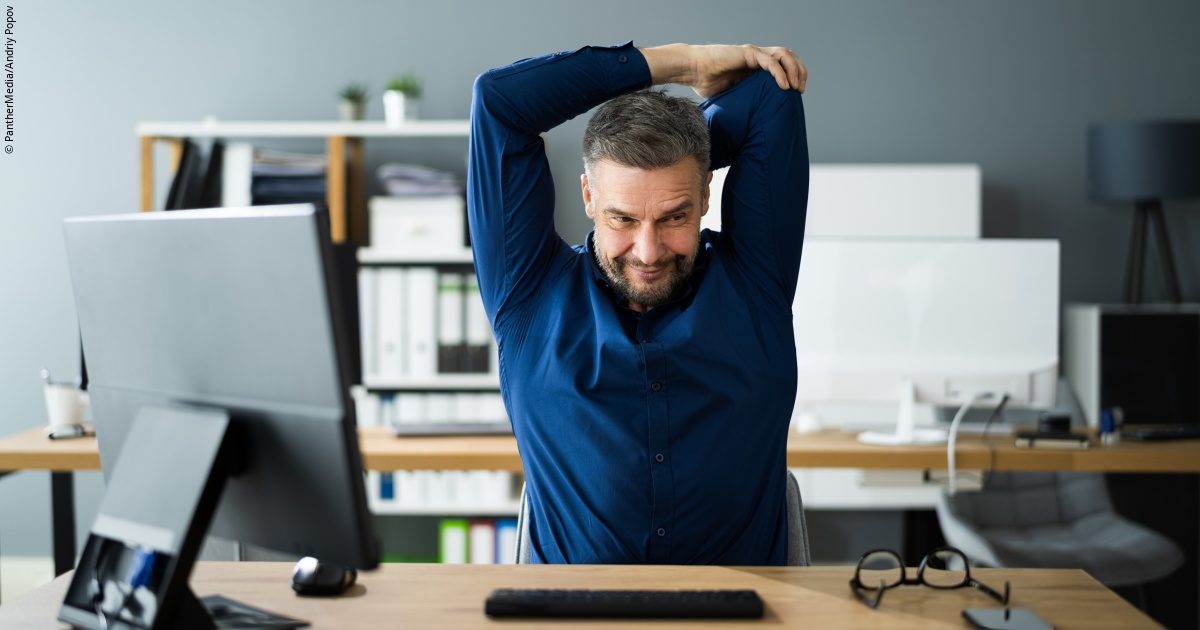
From the science of sitting to practical daily habits — everything you need to know about short, purposeful movement.
Micro-workouts are short, structured activities lasting between one and five minutes, performed in your regular environment without changing clothes or equipment. Unlike scrolling through a fitness app for twenty minutes before giving up, a micro-workout starts the moment you decide to move. You stand up from your kitchen chair and do fifteen squats while waiting for pasta water to boil. You walk briskly to the end of the corridor and back during a conference call on hold.
Dutch daily life — cycling to work, climbing canal-house stairs, standing on trams — already includes incidental movement. Micro-workouts add optional structure to the gaps between these natural activities. They may suit knowledge workers whose primary task requires sustained focus at a screen.
Workplace wellbeing literature sometimes discusses interrupting long sitting periods with light activity. We share that context for education only. This content does not replace advice from a qualified professional.
When you sit without moving for more than 30 minutes, several physiological shifts begin.
Your body maintains baseline metabolic rate. Postural muscles work minimally to keep you upright. This is normal and not harmful in isolation.
Many people report heavy legs or reduced alertness after staying seated for a long stretch. Ergonomics guides often suggest changing position around this point.
Extended sitting is frequently associated with stiffness in the back and hips in everyday descriptions — not as a medical diagnosis on this site.
Standing, walking, or stretching for one to three minutes is a practical habit some people use to break up long sedentary periods. Individual responses vary.
Join community movement sessions and workshops across Amsterdam in 2026.
Vondelpark lawn session — guided five-minute movement circuits for office workers on lunch break. Free entry, bring water.
Interactive workshop at Czaar Peterstraat covering posture, micro-workout sequencing, and building daily movement habits.
Seven-day challenge combining cycling, walking meetings, and scheduled micro-workouts. Register via our contact form.
Rainy-season edition: practical movement ideas for small apartments and home offices across the Netherlands.
Sustainable change comes from small, repeatable actions anchored to existing routines.
Choose a single daily trigger — morning coffee, lunch, or mid-afternoon tea — and attach one two-minute movement session to it. Consistency beats variety at this stage.
Introduce another micro-workout linked to a different cue, such as standing when a meeting ends or moving during TV commercial breaks at home.
Try three different exercise types from our library. Notice which ones feel best in your body and which fit your environment most naturally.
Aim for four to six sessions daily. Use phone reminders or a sticky note on your monitor as backup cues until the habit feels automatic.