
Naturclearing publishes free educational articles about short movement breaks — one to five minutes — that fit into a normal day in Amsterdam and across the Netherlands. No paid app, no subscription, no coaching sold on this site.
View Sample SchedulesVery short exercise sessions — from one to five minutes — that you perform exactly where you stand, wearing whatever you already have on.
Micro-workouts are short, deliberate bursts of movement meant to break up long periods of stillness. You might do calf raises while the kettle boils, shoulder rolls during a video call on mute, or a brisk hallway walk between meetings. The idea is regular, low-intensity activity woven into ordinary routines — not a replacement for medical care or structured training prescribed by a professional.
Public health and workplace ergonomics literature often discusses the value of interrupting long sitting periods. Some observers note that standing and moving briefly after 30 minutes of sitting may help people feel more alert and less stiff. Experiences differ from person to person; nothing on this site promises a particular outcome.
General information about what many people notice after staying seated for extended periods.
After sitting for an extended period, many people report heavy or stiff legs, a tight lower back, or reduced alertness. Ergonomics guides commonly recommend changing position regularly. This is general lifestyle information — not a diagnosis or medical explanation.
Short movement breaks — standing, walking to refill a water bottle, or doing gentle stretches — are widely suggested as practical habits for desk-based work. How you feel afterwards can vary by day, fitness level, and overall lifestyle.
These movements require no equipment and fit naturally into everyday settings across Amsterdam and beyond.
Walk the length of your office or apartment hallway for 60 seconds. Swing your arms naturally and focus on an upright posture. This simple action re-engages your cardiovascular system after sitting.
Clench both fists tightly for two counts, then spread your fingers wide. Repeat 20–30 times. This releases tension built up from typing and supports forearm circulation during long screen sessions.
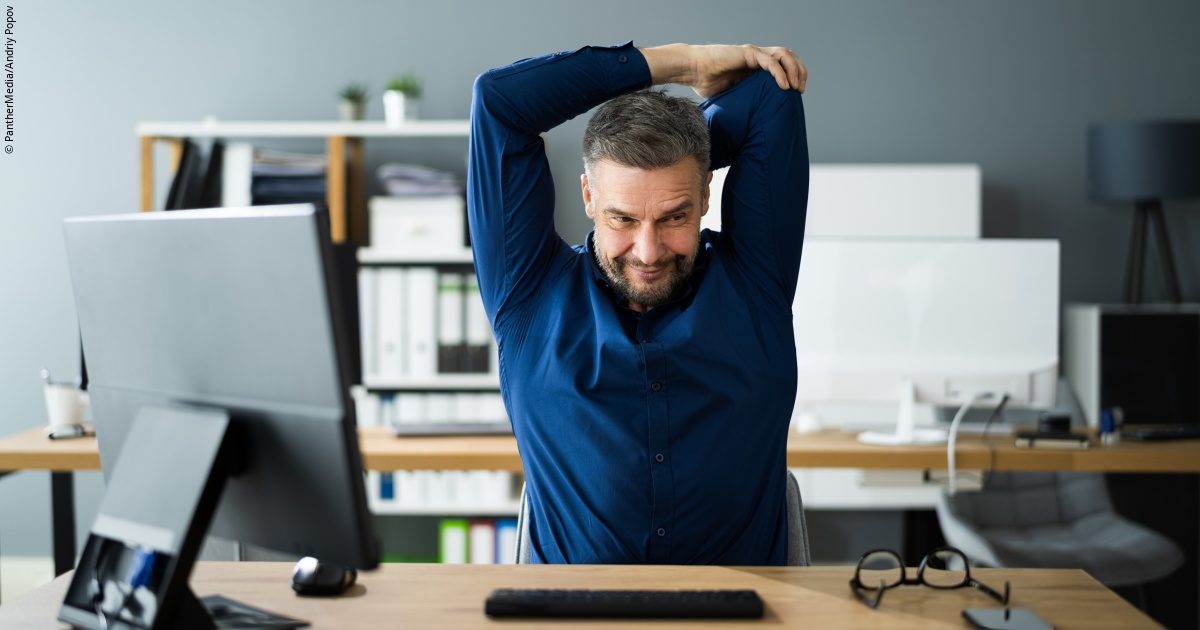
Stand tall, interlace your fingers, and reach toward the ceiling as if grabbing a star. Hold for five seconds, then release. Repeat eight times. This opens the chest and lengthens the spine after hunching over a laptop.
Surprise yourself with a random movement break. One tap, one fun challenge — no planning required.
Sample schedules and ideas for people whose days involve long periods of sitting.
Office professionals in Amsterdam, remote workers, parents between errands, and students between lectures often look for simple ways to move without a gym visit. The ideas here are optional lifestyle suggestions — not a fitness programme and not medical guidance.
Some older adults prefer gentle, low-impact options such as seated marches or calf raises. Shift workers and gym-goers on rest days may also use short breaks to stay comfortable during long shifts or sedentary recovery days. Always choose movements that feel appropriate for your own situation.
Practical reminders for trying short movement breaks at your own pace.
Try one or two short sessions per day at first. Increase only if they feel comfortable. This site does not assess your fitness level or suitability for exercise.
Keep water within reach at your desk or workspace, especially in heated office environments common across Dutch commercial buildings.
For standing exercises, choose shoes with flat soles or go barefoot on a non-slip surface. Avoid high heels or loose slippers during balance movements.
Stop any movement that causes sharp discomfort, dizziness, or unusual breathlessness. Speak with a qualified professional before starting new activity if you have questions about what is safe for you.
Common questions about micro-workouts and how our plans work.
They complement structured exercise rather than replace it. Think of micro-workouts as the connective tissue between longer sessions — they keep your body active on days when a full workout is not possible and maintain movement habits year-round.
Most sessions are low enough in intensity that you will not need to change clothes. If you choose a brisk hallway walk or energetic dance break, a light glow is possible, but heavy sweating is unlikely in a one-to-three-minute window.
General workplace ergonomics guidance often mentions taking movement breaks throughout the day. Many people find three to six short sessions across the day practical, but there is no single rule that fits everyone.
Absolutely. Subtle movements like calf raises under the desk, seated spinal twists, and quiet shoulder rolls are barely noticeable to colleagues. Save more expressive moves like dancing for break rooms or home.
Browse example daily rhythms and exercise ideas you can adapt to your own routine. Nothing on this site replaces advice from a qualified professional.
View Sample Schedules Contact Us